
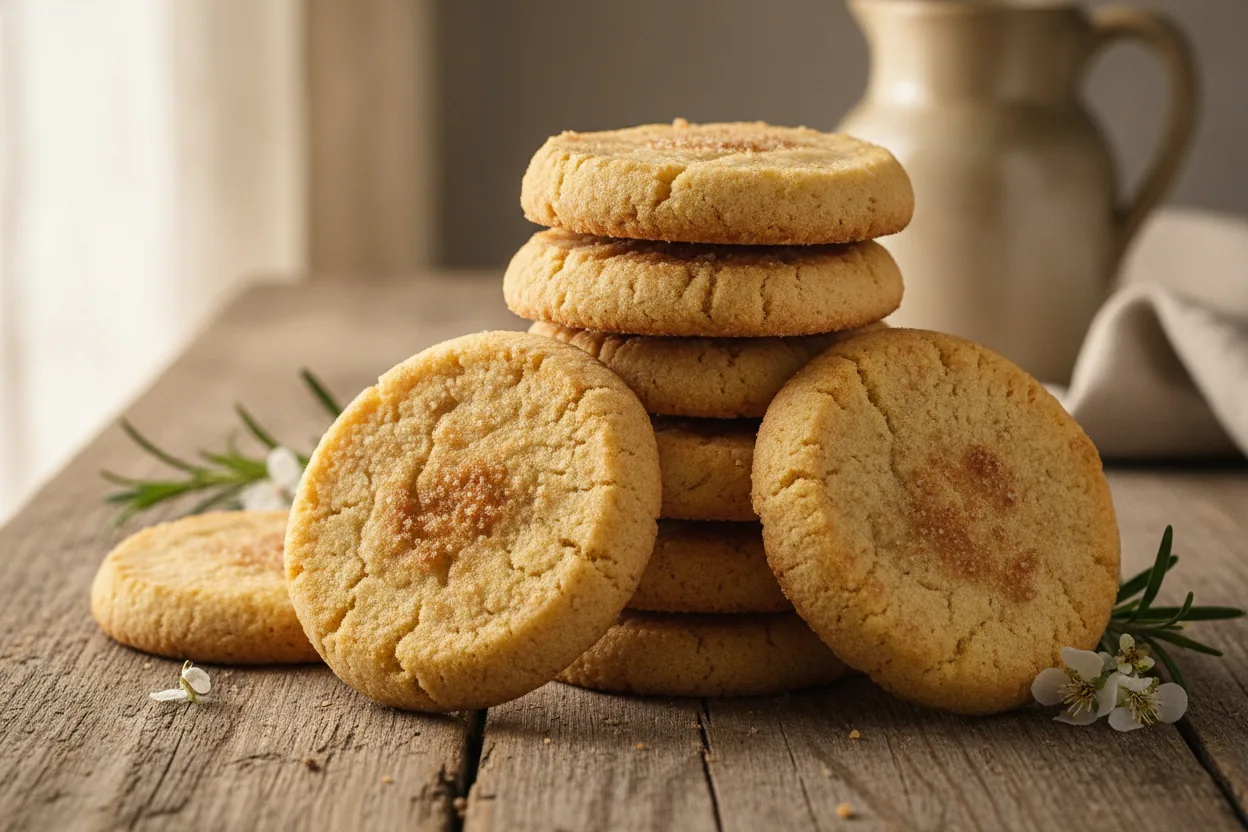
The Ultimate Dairy-Free Shortbread Cookies (Melt-in-Your-Mouth)
The first time I pulled a tray of dairy-free shortbread cookies out of my oven and they actually snapped with that clean, sandy crumb, I may have done a little happy dance by the counter. For years I assumed real shortbread was off-limits without butter, that any swap would either spread into greasy puddles or bake up dry and chalky. It turns out the secret was never the dairy at all, it was the ratio and the resting. These cookies are buttery, golden, and so tender they practically melt on your tongue, yet they hold a crisp edge and travel beautifully in a tin. Nobody at my table has ever guessed they are made without a drop of butter.
By Brooks · Tested and updated May 31, 2026
Key Takeaways
- Just 6 simple ingredients and one bowl deliver classic melt-in-your-mouth shortbread, no dairy required.
- Block-style dairy-free butter is non-negotiable — tub spreads have too much water and make cookies spread.
- Chilling the dough for 30 minutes is the difference between crisp, defined cookies and flat ones.
- A spoonful of cornstarch mimics the tenderizing role butter normally plays for that sandy crumb.
- They keep for 2 weeks at room temperature and freeze for 3 months, making them ideal for gifting.
What Are Dairy-Free Shortbread Cookies?
Dairy-free shortbread cookies are a plant-based take on the classic Scottish biscuit, made by creaming a vegan butter alternative with sugar and flour instead of traditional dairy butter. The result is the same rich, crumbly, lightly sweet cookie, with a tender “short” texture that comes from a high fat-to-flour ratio rather than from any leavening. Because there are so few ingredients, the quality of your dairy-free butter and the way you handle the dough matter more here than in almost any other cookie. Get those two things right and you genuinely cannot tell the difference.
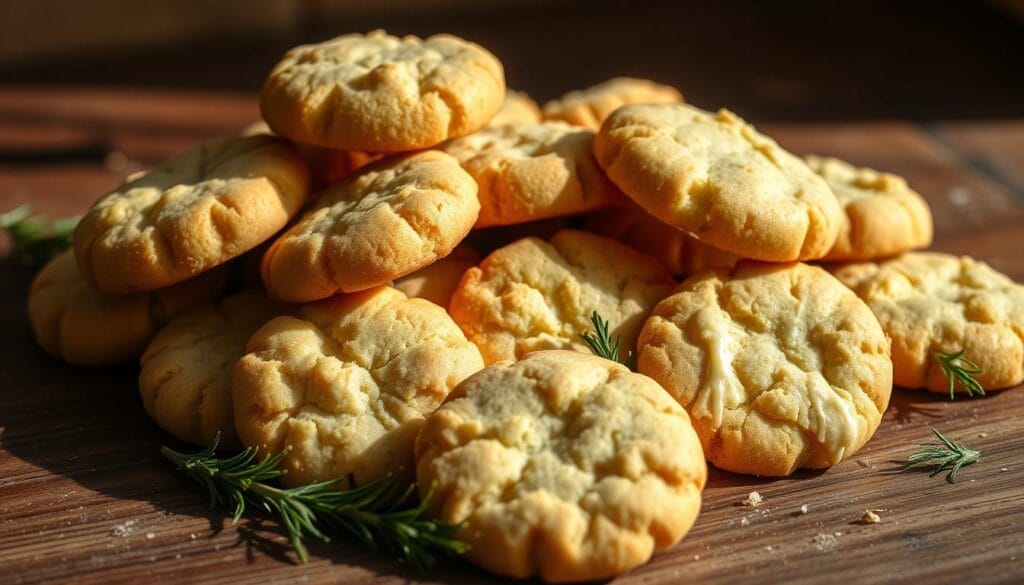
Why You’ll Love This Recipe
- Foolproof texture. A measured ratio means no guessing — you get that signature crumbly snap every single batch.
- Pantry-simple. No specialty flours or gums, just everyday staples you likely already have.
- Endlessly adaptable. Press into wedges, slice into fingers, or stamp out shapes for the holidays.
- Allergy-friendly. Naturally egg-free, and easy to make nut-free, so it works for crowded dessert tables.
- Make-ahead magic. The dough chills happily overnight and the baked cookies keep for weeks.
Ingredients
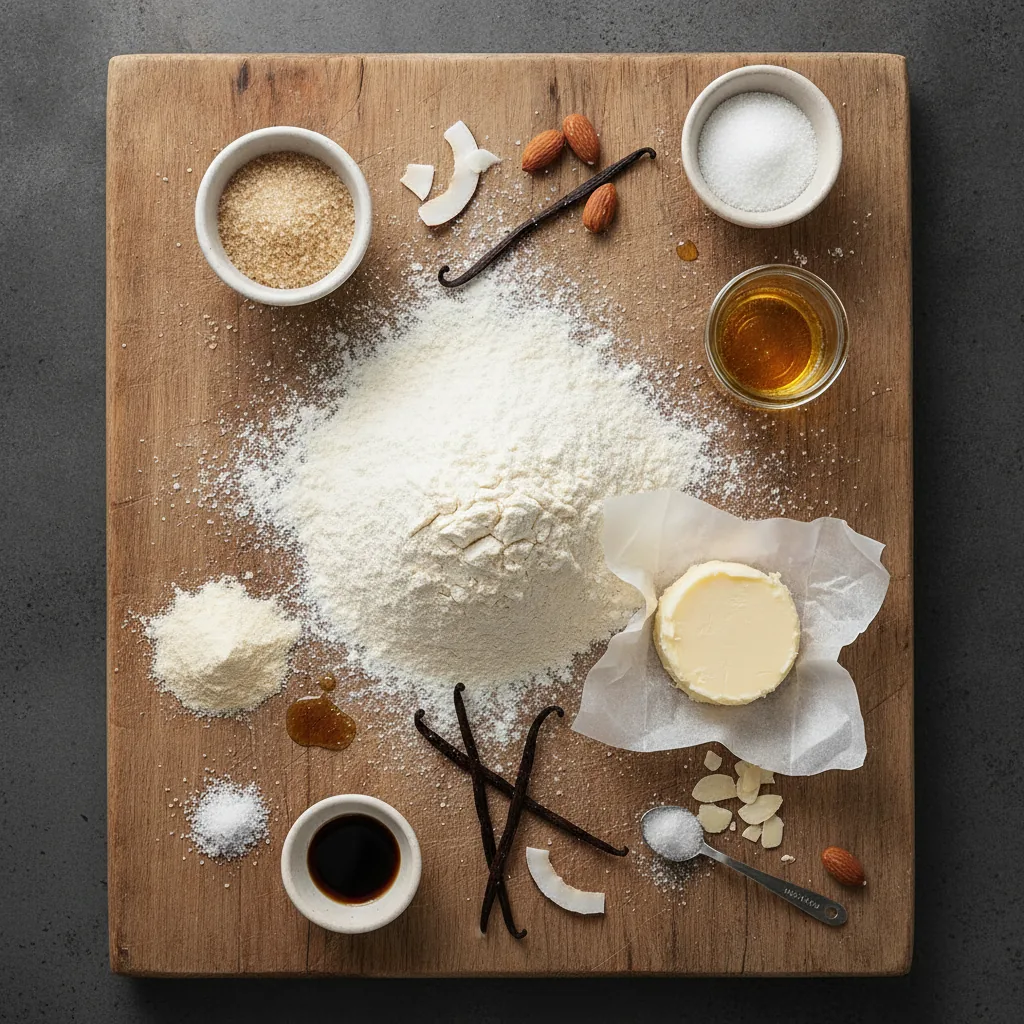
This makes about 24 cookies. Measurements are given in both cups and grams — for shortbread, a kitchen scale really does give the most consistent crumb.
- 1 cup (226 g) block-style dairy-free butter, softened (such as Miyoko’s or plant-butter sticks — not a tub spread)
- 1/2 cup (60 g) powdered (icing) sugar, for a finer melt-in-mouth crumb
- 2 cups (240 g) all-purpose flour
- 2 tablespoons (16 g) cornstarch
- 1 teaspoon pure vanilla extract
- 1/4 teaspoon fine sea salt
Love a simple, short ingredient list like this? You’ll feel right at home with my dairy-free sugar cookies, which use a similar creaming method for soft, sliceable rounds.
How to Make Dairy-Free Shortbread Cookies
Step 1: Cream the butter and sugar
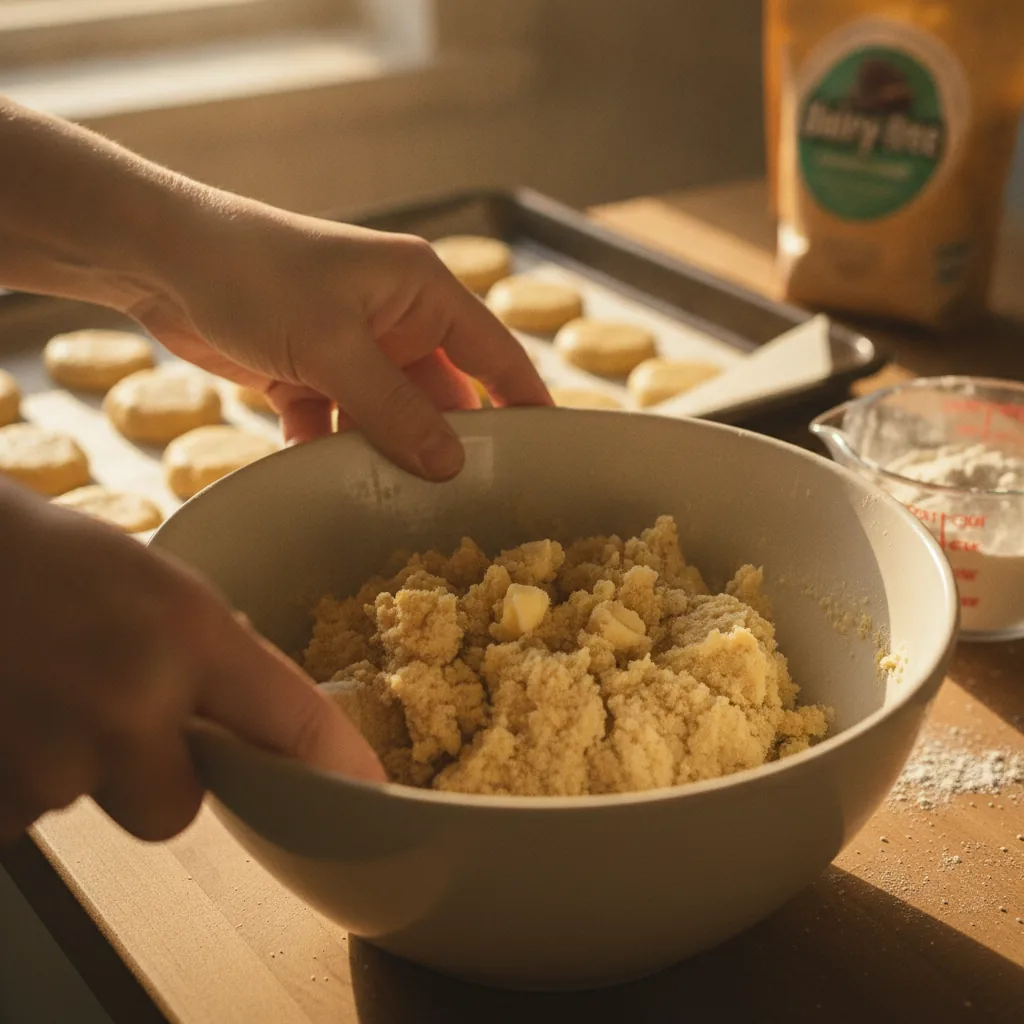
Beat the softened dairy-free butter with the powdered sugar for two to three minutes until pale and fluffy. You want air in here, but stop before it turns soupy. Tip: “Softened” means it dents under a finger but still holds its shape — if your butter looks oily or glossy, it is too warm and the cookies will spread.
Step 2: Add vanilla and salt
Mix in the vanilla extract and sea salt until just combined. The salt is small but mighty here — it sharpens the buttery flavor and keeps these from tasting flat. Tip: If your dairy-free butter is already salted, cut the added salt to a pinch so the cookies don’t tip into savory territory.
Step 3: Work in the flour and cornstarch
Whisk the flour and cornstarch together, then add to the bowl in two additions on low speed. Mix only until the dough clumps and no dry streaks remain — it will look crumbly, then come together when pressed. Tip: Overmixing develops gluten and makes shortbread tough, so stop the moment it holds together in your hand.
Step 4: Shape and chill
Press the dough into a disc, roll to 1/2-inch thick between parchment, and cut into rounds or fingers (or press into a parchment-lined pan and score). Chill for 30 minutes. Tip: Cold dough is the single best insurance against spreading — don’t skip it, especially in a warm kitchen.
Step 5: Bake low and slow
Bake at 325°F (160°C) for 15 to 18 minutes, until the edges are barely golden and the tops look set but still pale. Shortbread should never brown deeply. Tip: Rotate the tray halfway through for even color, and pull them while the centers feel slightly soft — they firm up as they cool.
Step 6: Cool completely
Let the cookies rest on the tray for 10 minutes before transferring to a rack. They are delicate while warm and set into that classic crisp-yet-tender bite as they cool. Tip: If you like a little sparkle, sprinkle the tops with granulated sugar the moment they leave the oven, while the surface is still warm enough to grip it.
Expert Tips & Tricks
- Weigh your flour. Scooping straight from the bag can pack in 20% extra flour and leave you with dry, sandy-in-a-bad-way cookies.
- Pick the right butter. Firm baking blocks behave like dairy butter; oily tub spreads carry too much water and air. This one choice makes or breaks the batch.
- Dock the dough. Prick the tops with a fork before baking so steam escapes and the cookies stay flat and even.
- Patience pays. Shortbread tastes even better the next day once the flavors settle, so it’s a perfect bake-ahead.
Variations & Substitutions
- Citrus shortbread: Beat in 1 tablespoon of lemon or orange zest with the sugar — if you love bright cookies, try my dairy-free lemon cookies next.
- Chocolate-dipped: Dip the cooled ends in melted dairy-free chocolate, the same trick that makes my dairy-free chocolate chip cookies a crowd favorite.
- Spiced: Add 1 teaspoon of cinnamon or ground ginger for a cozy, holiday-leaning cookie like my dairy-free ginger cookies.
- Gluten-free: Swap in a 1:1 gluten-free baking flour blend that contains xanthan gum; chill an extra 10 minutes since these doughs run softer.
- Lower sugar: Reduce the powdered sugar to 1/3 cup for a more rustic, less-sweet biscuit that pairs well with tea.
Storage & Reheating
- Room temperature: Store in an airtight tin for up to 2 weeks. A scrap of bread in the tin keeps them tender.
- Freezer (baked): Freeze cooled cookies in a single layer, then bag them for up to 3 months. Thaw at room temperature for 15 minutes.
- Freezer (dough): Freeze shaped, unbaked cookies and bake straight from frozen, adding 2 to 3 minutes.
- Refresh: A quick 3-minute warm-up in a 300°F (150°C) oven brings back that just-baked snap if they’ve softened.
Nutrition Information
Values are an estimate per cookie (recipe makes 24), calculated from USDA FoodData Central reference data. Your exact numbers will vary with the brand of dairy-free butter you choose.
| Nutrient | Amount per cookie |
|---|---|
| Calories | 132 |
| Total Fat | 8 g |
| Saturated Fat | 2 g |
| Carbohydrates | 14 g |
| Sugar | 5 g |
| Fiber | 0.4 g |
| Protein | 1 g |
| Sodium | 58 mg |
If you or someone you bake for is navigating lactose intolerance, swapping the butter is the only change you need to enjoy classic shortbread again — the flour, sugar, and method all stay exactly the same.
Frequently Asked Questions
Why did my dairy-free shortbread cookies spread?
Almost always it’s the butter or the temperature. Tub-style spreads hold too much water, and dough that goes into the oven warm will melt before it sets. Use a firm block butter and chill the shaped cookies for at least 30 minutes.
What is the best dairy-free butter for shortbread?
Firm baking blocks such as Miyoko’s, Flora Plant, or plant-butter sticks perform closest to dairy butter because they have a similar fat content and low moisture. Avoid soft tub spreads labeled “light” or “spreadable.”
Can I make these gluten-free too?
Yes. Use a 1:1 gluten-free baking blend that already contains xanthan gum and chill the dough a little longer, since gluten-free doughs tend to be softer. The flavor and crumb stay wonderfully close to the original.
Why is my shortbread dry or crumbly in a bad way?
That’s usually too much flour from scooping rather than weighing, or overbaking. Measure by weight if you can, and pull the cookies while the centers still feel slightly soft — they finish setting as they cool.
How long do dairy-free shortbread cookies last?
Stored in an airtight container at room temperature, they stay fresh for up to 2 weeks. You can also freeze baked cookies for 3 months or freeze the shaped dough and bake straight from the freezer.
Once you’ve mastered this batch, keep the momentum going with another cozy classic — my dairy-free oatmeal cookies use the same careful creaming method for chewy, wholesome results.
Related Dairy-Free Recipes
⭐ Rate This Recipe
Did you make this recipe? Tap the stars below to rate it and leave a quick review — your feedback helps fellow dairy-free cooks and makes our day. 💛
There are no reviews yet. Be the first one to write one.